
How to tell the valve is the problem
Water standing in the valve box when the system has not run is the first sign. A zone that keeps running after its cycle ends is another. So is a zone whose heads come up weak or slow while the rest of the system works fine, which usually means that zone's valve is not opening or sealing the way it should.
A stuck valve is easiest to spot in July, our driest month at about 2.1 inches of rain, because a wet patch has nothing else to blame. In May, our wettest month at about 4.8 inches, check after a few dry days. Denton soil drains at the surface but moves water slowly underneath, so a soggy spot can hang on longer than you would expect. Check for pooling before you lengthen run times to fix a dry zone, because the cause may be a valve and not too little water. A symptom confined to one zone points at that zone's valve. A leak in the supply line can look similar, and we sort out which one you have before we start digging.
What fails inside a valve
The diaphragm is the flexible seal inside the valve body that opens and closes the water path. A spring works with it to hold the valve shut. Between them they cause most valve trouble.
A diaphragm that has wrinkled, torn or developed small perforations will not seal, so water leaks through while the zone is supposed to be off. A spring that has lost tension does the same. Debris on the valve seat, the surface the diaphragm presses against, also lets water pass. Damage to the valve body itself is the worst case and usually means replacing the whole valve.
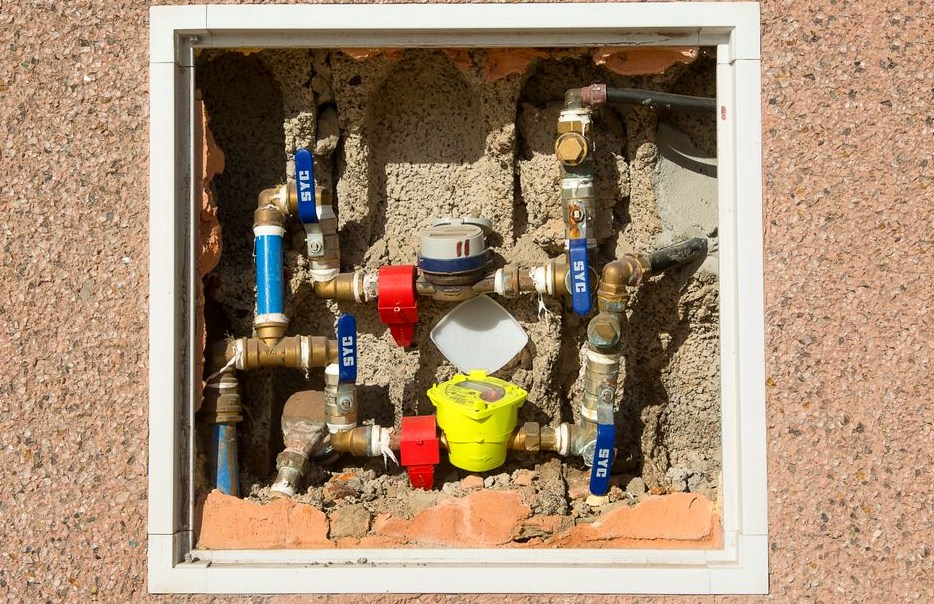
What we do when we open the valve
We first confirm the zone is the issue and that we are not chasing a wiring problem or a mainline leak. Then we shut the water off, expose the valve and remove the bonnet or jar top.
We take out the diaphragm and spring, and we note which way the diaphragm sits so it goes back in correctly. Then we go over each part: the diaphragm for wrinkles, tears and perforations, the spring for lost tension, and the valve body and seat for debris or damage. A worn diaphragm on a sound body is a repair. A damaged body or seat means replacing the valve. If everything inside looks good and the zone still misbehaves, we move on to the wiring.
Materials and permits
On a replacement we disconnect the wiring, pull the old valve and install the new one. The wire connections underground are made with waterproof wire-splice connectors or grease caps, because that is where moisture gets in. Where wire needs to be run or replaced between the valve and the controller, we use direct-burial sprinkler cable.
In Denton, new irrigation work and alterations to an existing system require a permit obtained by a licensed irrigator. We settle the permit question when we quote, before any digging starts.
What the work costs
Replacing three or more valves runs about $100 to $200 per valve. We can give you a typical range on the call, and we confirm the exact number once we have seen the valves and the wiring.
A valve that is easy to reach and wiring that is in good shape keep the job at the low end. A valve box that is buried or collapsed adds digging time. Wire that needs repair adds cable and labor. We list those items separately on the quote so you can see what drives the total.
What It Typically Costs
These are typical local ranges for this kind of work, and we'll explain what moves a price up or down.
$125–$225
Related Services
How It Works
On a typical job, the work covers:
- Rinse debris from the diaphragm and seat; if the diaphragm or spring needs replacement, install the replacement parts in the correct orientation.
A brief call tells us most of what we need, and the decision stays yours.