
Signs the wiring is the problem
One zone is dead while every other zone runs fine. Another zone may work for a few cycles and then quit. The controller display looks normal and the program is right, but the valve never opens. That points at the wire for that circuit. After a hailstorm, we look at the controller and any exposed irrigation equipment for impact damage first. A Denton-area storm dropped softball-sized hail and damaged thousands of homes, and a cracked cabinet or knocked-loose terminal is a much cheaper fix than a dig.
Why the wire fails underground
Most breaks come from three things: an old splice that let moisture in and corroded, a nick left by an earlier repair, or a shovel or trencher that hit the wire during other yard work. The break is usually small. It still opens the circuit, and a controller that can't complete a path to the solenoid won't energize the valve. If your lot sits in a mapped flood-hazard corridor along Cooper Creek, Pecan Creek, North Pecan Creek, Hickory Creek, Dry Fork Hickory Creek or their tributaries, we check the flood map before we plan any trenching or move any equipment.
How we find it without digging up your whole yard
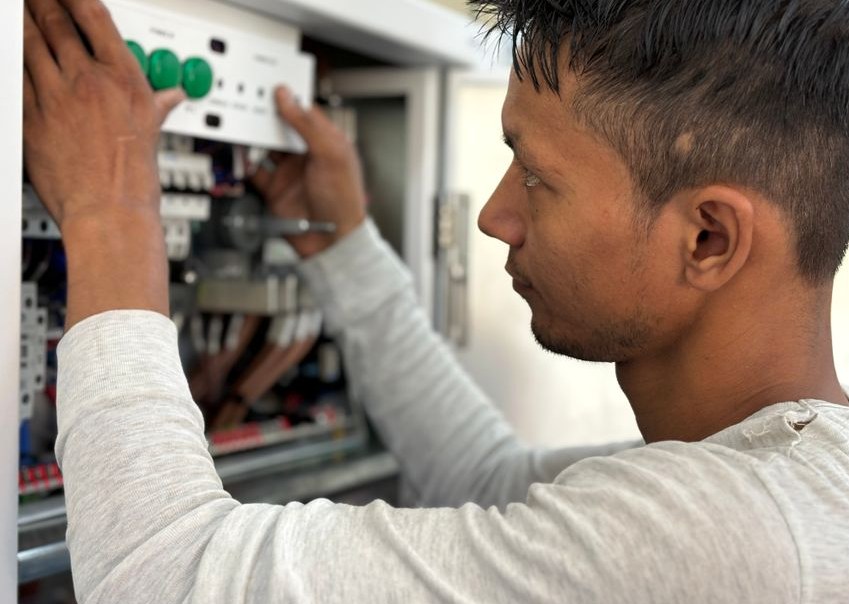
We start at the controller. A multimeter shows whether voltage is going out on the right terminal. If it is, the fault is in the field wiring. Then we use a wire locator to trace the buried circuit and find where the signal drops. That narrows the search to one section instead of the whole run. We mark the spot, confirm it with the meter, and open one hole there, not a trench.
The repair and what we put back
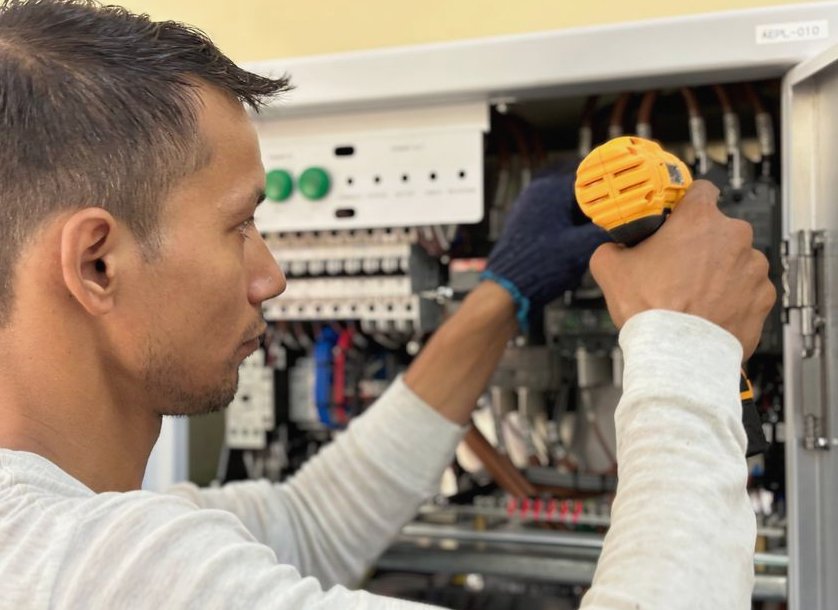
We cut out the damaged wire back to clean conductor on both ends and join it with a waterproof gel-filled connector. Every splice gets one. Then we test from the controller to confirm the zone fires. The wire goes back in the ground and the turf goes back over it.
What you pay
Locating and splicing a broken zone wire runs $125 to $275. The spread comes from how far we have to trace the circuit to find the break and how many breaks turn up on it.
What this job doesn't cover
If the wire is sound and the controller is the problem, that is a separate repair. The same goes for a valve that has failed mechanically. We test that the circuit is energizing the solenoid, and if the valve is the culprit we tell you and quote it separately.
What to Expect to Pay
These are ballpark figures to plan around, and we'll explain what moves a price up or down.
$250–$500
Related Services
One phone call is enough to get going, you'll get an honest answer.